
Article Title: Health Background Details That Can Help Guide a Conversation About Diabetes
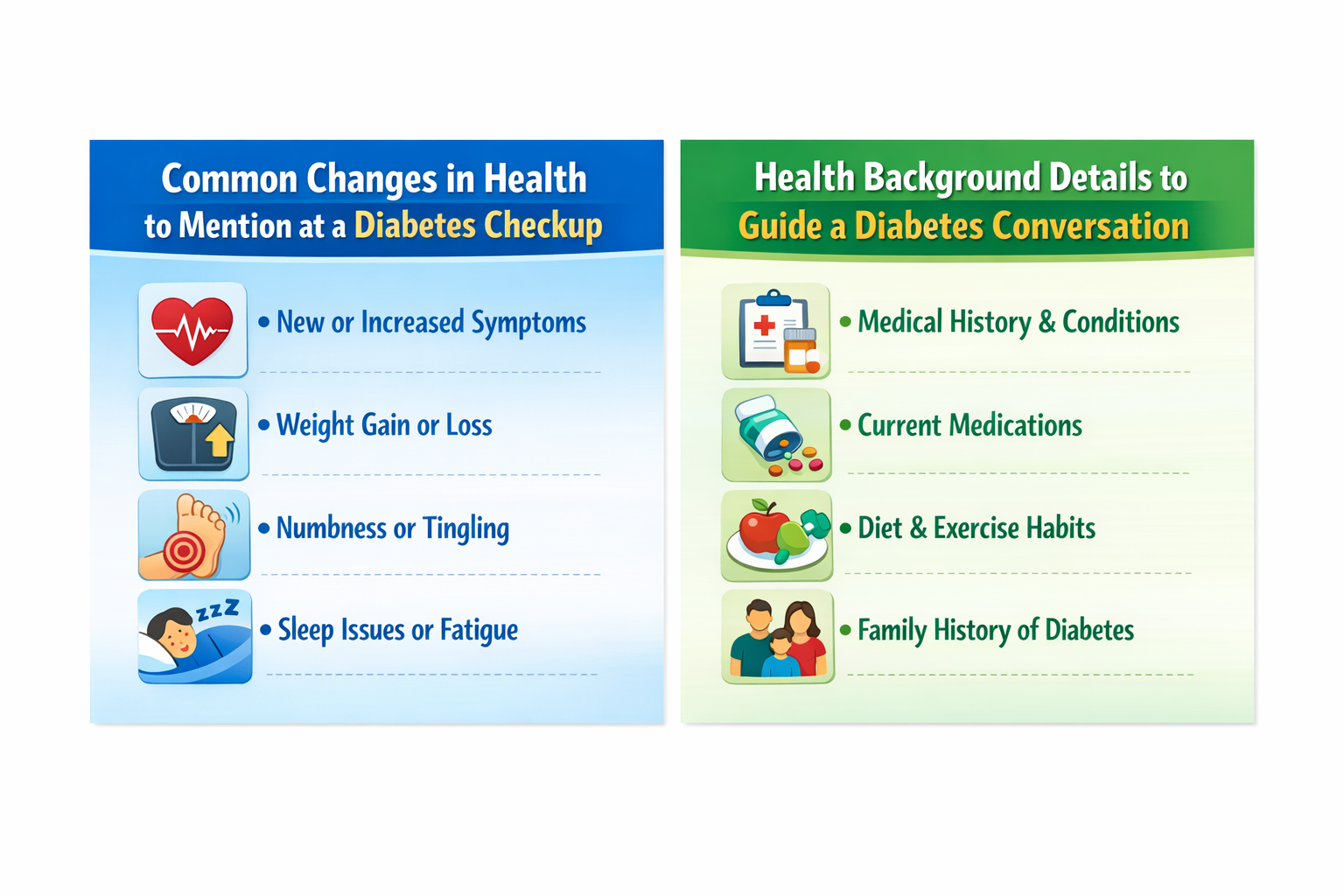
When preparing for a doctor’s visit related to possible diabetes, many people focus only on current symptoms. While symptoms are important, background information can also play a major role in the discussion. A person’s family history, lifestyle habits, and general health patterns may all help a healthcare professional decide which questions to ask and what next steps may be appropriate.
One of the first topics that may come up is family history. If parents, siblings, or other close relatives have had diabetes, a doctor may consider that information relevant. This does not mean that a person will necessarily develop the same condition, but family history can help provide context. It may influence how carefully certain symptoms or test results are reviewed during the appointment.
Age can also be part of the conversation. As people get older, some health risks may change, and doctors often look at the full picture rather than one factor alone. That is why it helps to approach the appointment with an understanding that risk is usually based on multiple elements working together, not a single issue by itself.
Body weight and weight changes may also be discussed, but this should be approached in a respectful and balanced way. Doctors may ask whether a person has noticed recent weight gain or weight loss, whether activity levels have changed, and how daily eating habits look over time. This part of the conversation is generally about understanding patterns, not assigning blame. Health discussions are most useful when they remain practical and supportive.
Physical activity is another important part of the overall picture. A doctor may ask whether a person spends most of the day sitting, whether they have a regular exercise routine, or whether changes in work or lifestyle have reduced movement over time. These details can matter because daily habits often affect long-term metabolic health. Even small changes in activity patterns can offer helpful information during a medical consultation.
Previous health conditions may also be relevant. For example, a doctor may ask about blood pressure, cholesterol levels, past blood test results, or other concerns related to general health. These details can help shape the discussion and may point to whether broader health monitoring is needed. It can be useful to bring recent test results or a simple list of past health concerns if available.
Some people may also want to mention their sleep habits, stress levels, and work routine. These may not seem directly related at first, but they can affect overall well-being and may contribute to health patterns over time. A doctor may ask whether sleep has changed recently, whether stress has been unusually high, or whether daily routines make it difficult to maintain regular meals and activity. These are normal and relevant parts of a health conversation.
Eating habits may also come up, though often in a general rather than overly detailed way. Instead of focusing on one specific food, doctors may be more interested in long-term patterns such as meal timing, portion sizes, reliance on processed foods, or changes in appetite. Honest answers can help create a clearer picture and support more useful advice.
A helpful way to prepare for the appointment is to think in terms of health background rather than trying to decide on a diagnosis beforehand. A doctor does not expect a patient to know exactly what is happening. What matters more is being ready to share clear information about family history, daily habits, and recent changes in overall health.
This kind of conversation can also be a good opportunity to ask broader questions. For example, a person may ask whether their family history changes how often they should be checked, whether past health patterns are relevant, or which lifestyle habits deserve the most attention moving forward. Asking thoughtful questions can make the appointment more informative and easier to follow.
In the end, discussing risk factors and family history is not about creating fear. It is about giving a healthcare professional enough background to understand the full picture. The more complete and accurate that picture is, the more useful the next steps in medical evaluation may become.